
2 Greenwich Office Park
Suite 210
Greenwich, CT 06831
203 863-0003
77 Lafayette Place
Suite 302
Greenwich, CT 06830
203 863-0003
21 Reade Place
Suite 2100
Poughkeepsie, NY 12601
203 863-0003
© 2024 The Plastic & Reconstructive Surgery Group - All Rights Reserved - Featured Realself Breast Reconstruction Expert - Terms of Use - Sitemap

Aesthetic Excellence. Experience and Expertise. Exceptional and Personalized Care.
Breast reconstruction after mastectomy is our specialty. Our practice helps to restore women’s bodies using the most advanced, state-of-the-art methods of breast reconstruction.
Learn more about breast reconstructionOur highly specialized practice is devoted to the most innovative and advanced methods of restorative breast surgery. Our mission is to help women who are fighting breast cancer, or undergoing risk-reducing preventative mastectomy, to restore their bodies, and their lives. Our expertise, dedication, compassion, comprehensive approach and highly personalized care set us apart.
ABOUT
An internationally recognized expert and a foremost authority in breast reconstruction, Dr. Greenspun and his team have successfully performed over 1,000 microsurgical breast reconstructions.
Meet Dr. GreenspunBreast Reconstruction Procedures & Techniques
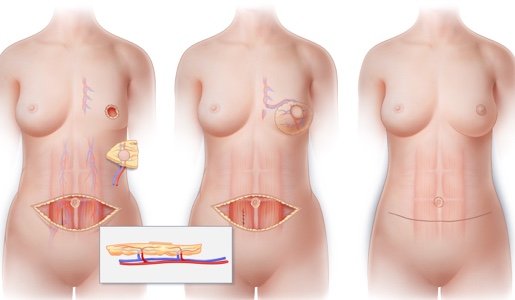
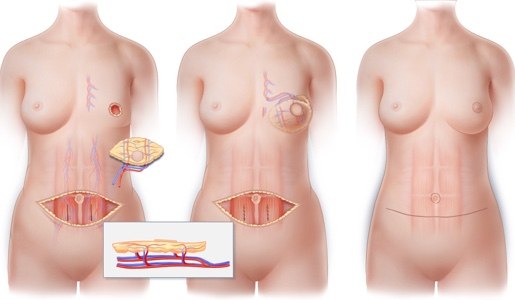
Women who choose to undergo breast reconstruction with a DIEP flap will have skin and fatty tissue removed from the lower abdominal area through an incision similar to that used for a “tummy tuck.” Because no muscle is removed, DIEP flaps offer distinct advantages over muscle-containing flaps such as the TRAM.
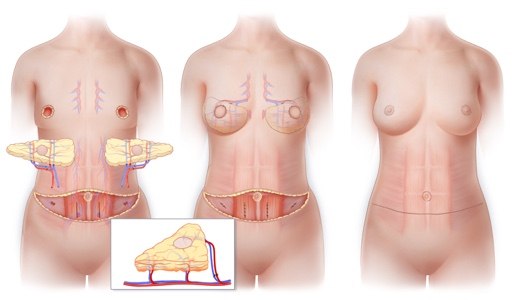
» Learn MoreThe Stacked-DIEP flap allows a breast to be reconstructed with significantly more tissue than is possible using either a DIEP flap or a TRAM flap. This innovative procedure uses two DIEP flaps––one DIEP flap from each side of the abdomen––to reconstruct a single breast. This approach allows for excellent results in many women who thought they don’t have enough fatty tissue or were previously told by other health care providers that they were not candidates for a DIEP or TRAM flap.
» Learn More“Body Lift Breast Reconstruction,” or “extended DIEP” flap breast reconstruction can be a solution for restoring both breasts with natural living tissue for women whose tummy tissue is not sufficient to permit reconstruction using ordinary DIEP flaps. Body lift breast reconstruction uses two flaps for each breast—four flaps in total—to provide adequate tissue to reconstruct two breasts. By combining tissue from the abdomen and the flanks, this approach is well suited for many women who have been told that they “do not have enough tissue” for a natural-tissue breast reconstruction.
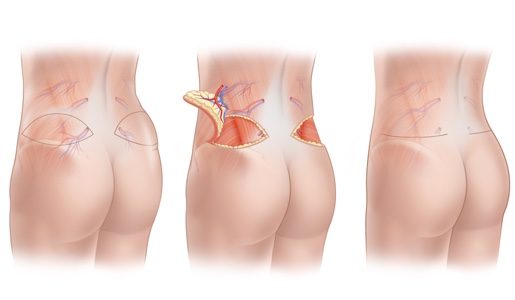
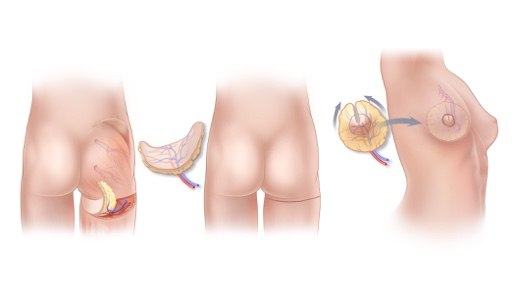
Using LAP flaps, it is possible to reconstruct a woman’s breasts with soft tissue removed from the fatty areas at the side of the waist (areas sometimes referred to as “love-handles.” This approach tends to narrow the waistline and lift the buttock. The scar that results from LAP flap surgery falls where the buttock and lower back meet along the waistline. As is the case for all perforator flaps used in breast reconstruction, no muscle is used.
» Learn MoreThe skin and fat of the upper thigh can be used to reconstruct breasts with a natural appearance. PAP flaps, DUG flaps and TUG flaps can be good choices for reconstruction of small or medium-sized breasts, or for partial breast reconstruction following lumpectomy.
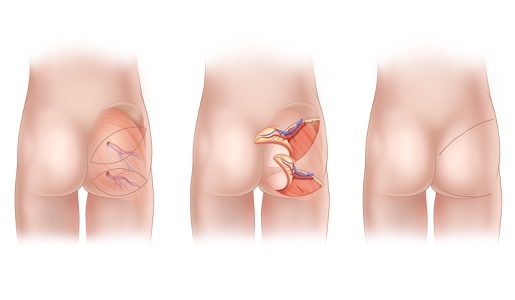
» Learn MoreFor women who cannot use—or choose not to use—tissue from their abdomen or other donor sites such as the lumbar region or the thighs, SGAP and IGAP flaps are an alternative for natural-tissue breast reconstruction after mastectomy. With both GAP flaps, the tissue used to reconstruct a breast is borrowed from the buttock without compromising the gluteal muscles.
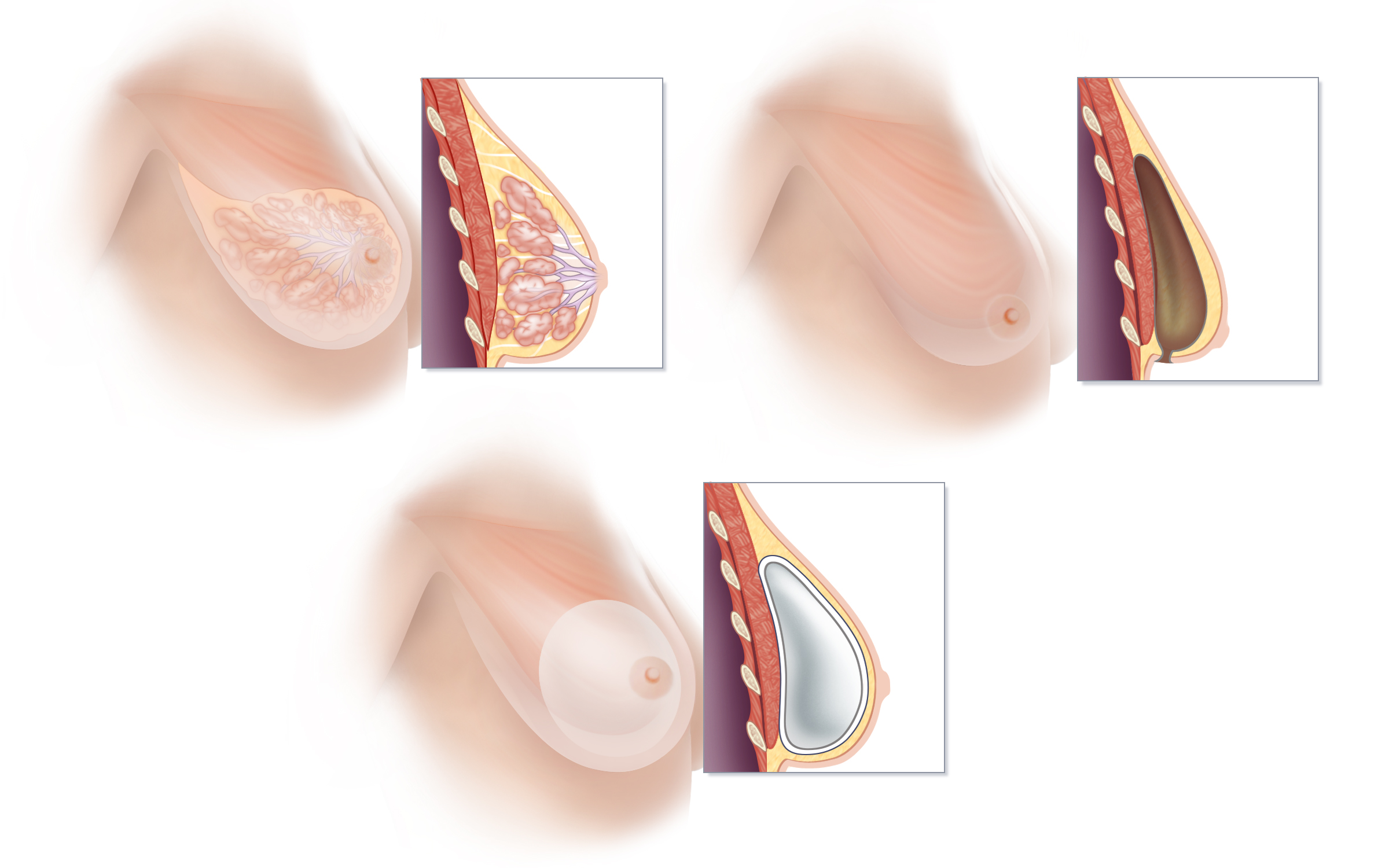
Several different techniques of implant breast reconstruction can be used to reconstruct a breast following mastectomy. Some approaches involve placing an implant at the time of mastectomy, allowing reconstruction with a single procedure, while other approaches require two separate surgical procedures. A number of factors will determine which approach is best for each individual.
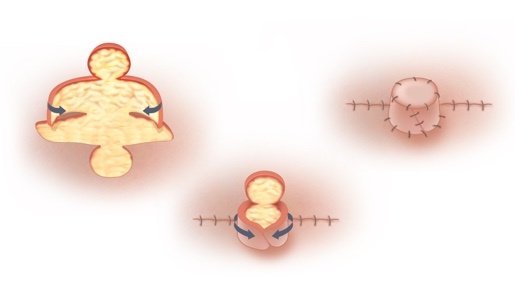
Nipple reconstruction, in combination with 3-dimensional tattooing, adds realism to a reconstructed breast. Nipple reconstruction adds physical projection and, together with the artistic application of tattoo pigment, can produce a visual and tactile effect that closely resembles a natural nipple and areola.
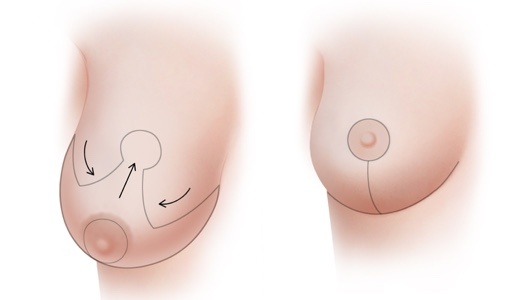
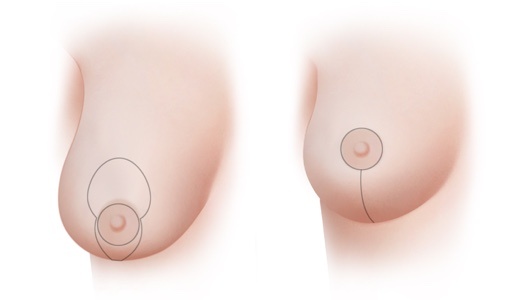
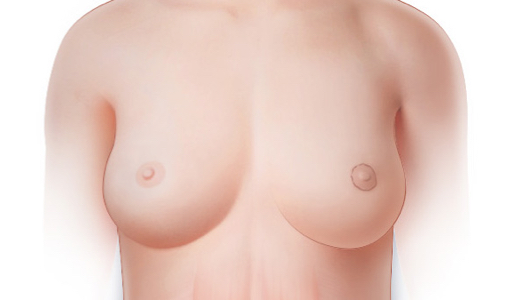
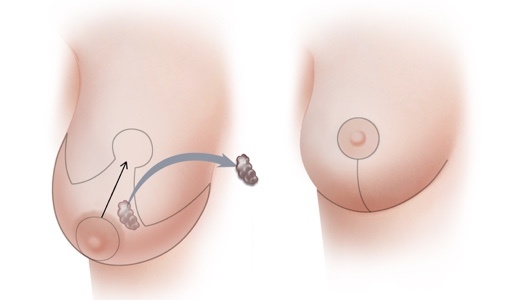
Breast reduction surgery removes unwanted breast tissue to reduce breast size and contour the breast shape. Breast reduction can be done to produce symmetry with a breast reconstruction on the opposite breast. Surgery can also be done to remove excess tissue that interferes with exercise and other activities, contributes to back, neck and shoulder pain, or because a patient prefers to have smaller breasts.
A breast lift, or mastopexy, is performed to restore a more youthful shape and a firmer feel to the breasts. Breasts can be lifted for cosmetic reasons, or to improve symmetry between a woman’s breasts, or to achieve symmetry between a reconstructed breast and the breast on the opposite side.
With the creative application of sophisticated techniques and innovative solutions, it is possible to improve upon, or correct, even significantly unsatisfactory results from prior surgery or from breast reconstruction failure. We take special interest in helping to restore the bodies and lives of women who suffer from poor outcomes of prior surgery.
Oncoplastic reconstructive surgery can improve the final shape of a woman’s breast when combined with lumpectomy or partial mastectomy. With oncoplastic surgery, remaining breast tissue or tissue from elsewhere can be sculpted to avoid abnormalities in breast shape that can sometimes result from breast-conserving therapy. These techniques can also realign the nipple and areola to give the breast a natural appearance.
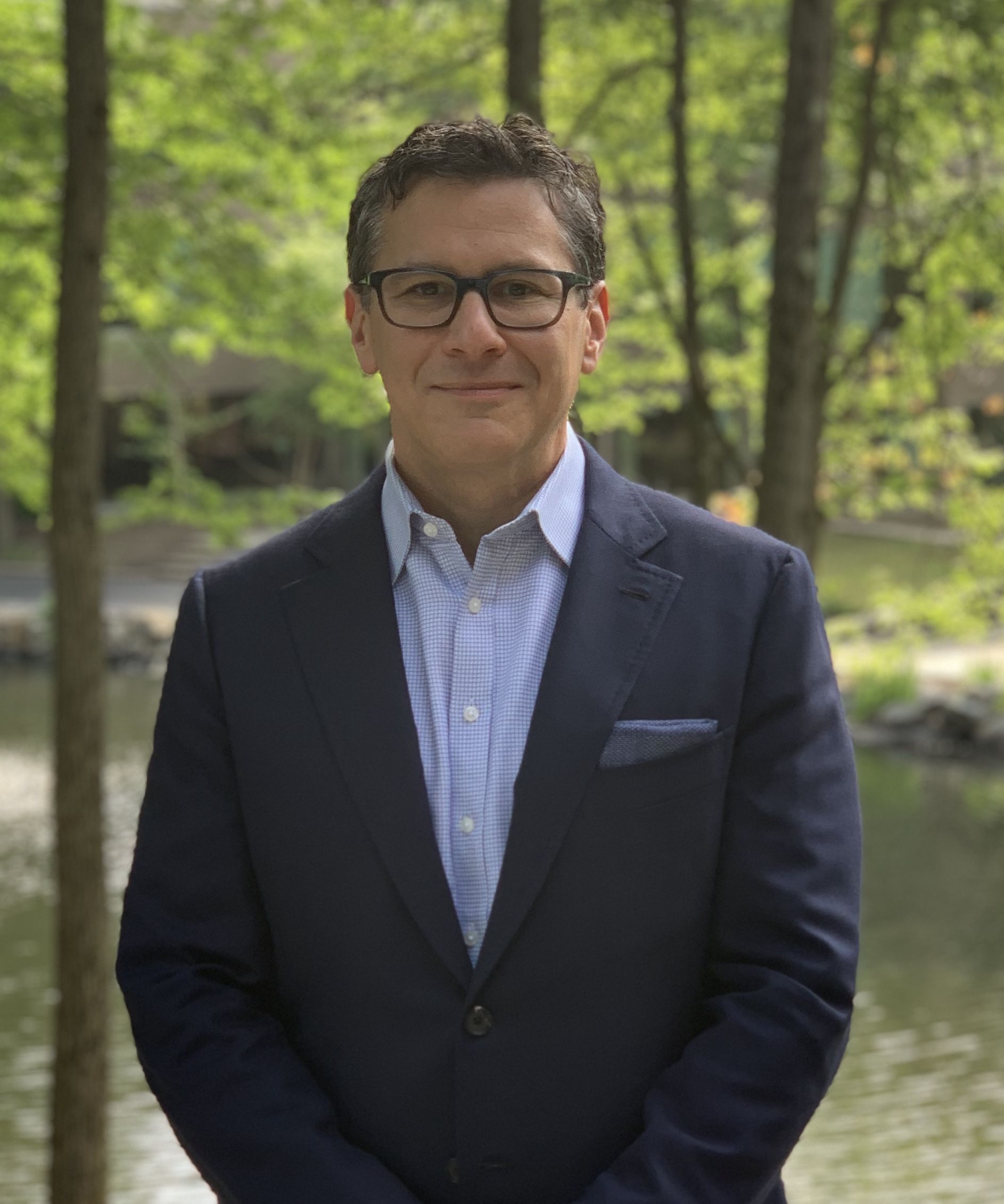
About Dr. Greenspun
David T. Greenspun, MD, MSc, FACS, is a leading authority in the field of microsurgical breast reconstruction. He is particularly recognized for his expertise in perforator flap microsurgical breast reconstruction, complex reconstructive breast surgery, revision breast reconstruction, and for the aesthetic results he achieves in restorative surgery. Dr. Greenspun has pioneered and refined important techniques in the field, including the use of lumbar artery perforator flaps for breast reconstruction, body-lift breast reconstruction using “extended” DIEP flaps, and the use of enhanced recovery protocols that minimize pain and maximize patient comfort following surgery.
Dr. Greenspun also offers breast reconstruction with breast implants, as breast reconstruction with natural-tissue may not be every woman’s preferred approach. He believes strongly that shared decision-making is an essential part of the breast reconstruction process and therefore works together with each patient to help her identify the method of breast reconstruction she finds most suitable.
Dr. Greenspun is Board-Certified by the American Board of Plastic Surgery. He is Section Chief of Plastic Surgery at Greenwich Hospital, President of the New York State Society of Plastic Surgeons, Member of the Board of the Mountain West Society of Plastic Surgery, Assistant Editor of the Breast Section of the American Society of Plastic Surgery’s Plastic Surgery Education Network. He is a member of the American Society of Reconstructive Microsurgery and the World Society of Reconstructive Microsurgery. He is the author of numerous textbook chapters, peer-reviewed journal articles, and is regularly invited to be on the faculty of national and international medical meetings to speak about breast reconstruction.
Read More About Dr. Greenspun
Our Practice
Our practice is one of just a handful across the country to specialize in, and perform a high volume of surgeries using all techniques of perforator flap breast reconstruction such as the DIEP flap, Stacked-DIEP flap, Extended-DIEP Four-Flap Breast Reconstruction, SIEA flap, PAP flap, LAP flap, and SGAP flap.
We are also one of just a small number of practices that specializes in state-of-the-art microsurgical breast reconstruction that also provides women with the option for all available methods of breast reconstruction, including breast reconstruction with breast implants. We believe that a comprehensive approach empowers our patients to make the choices that best suit their individual needs and goals.
We perform breast reconstruction surgery at several top-ranked hospitals in New York and Connecticut, including Yale New Haven Health Greenwich Hospital, Vassar Brothers Medical Center, and the Weiler Hospital of the Albert Einstein College of Medicine, amongst others. At all of our affiliated hospitals, a skilled team of expertly trained medical professionals will assure that you receive the highest quality care.
Learn more about our practice